
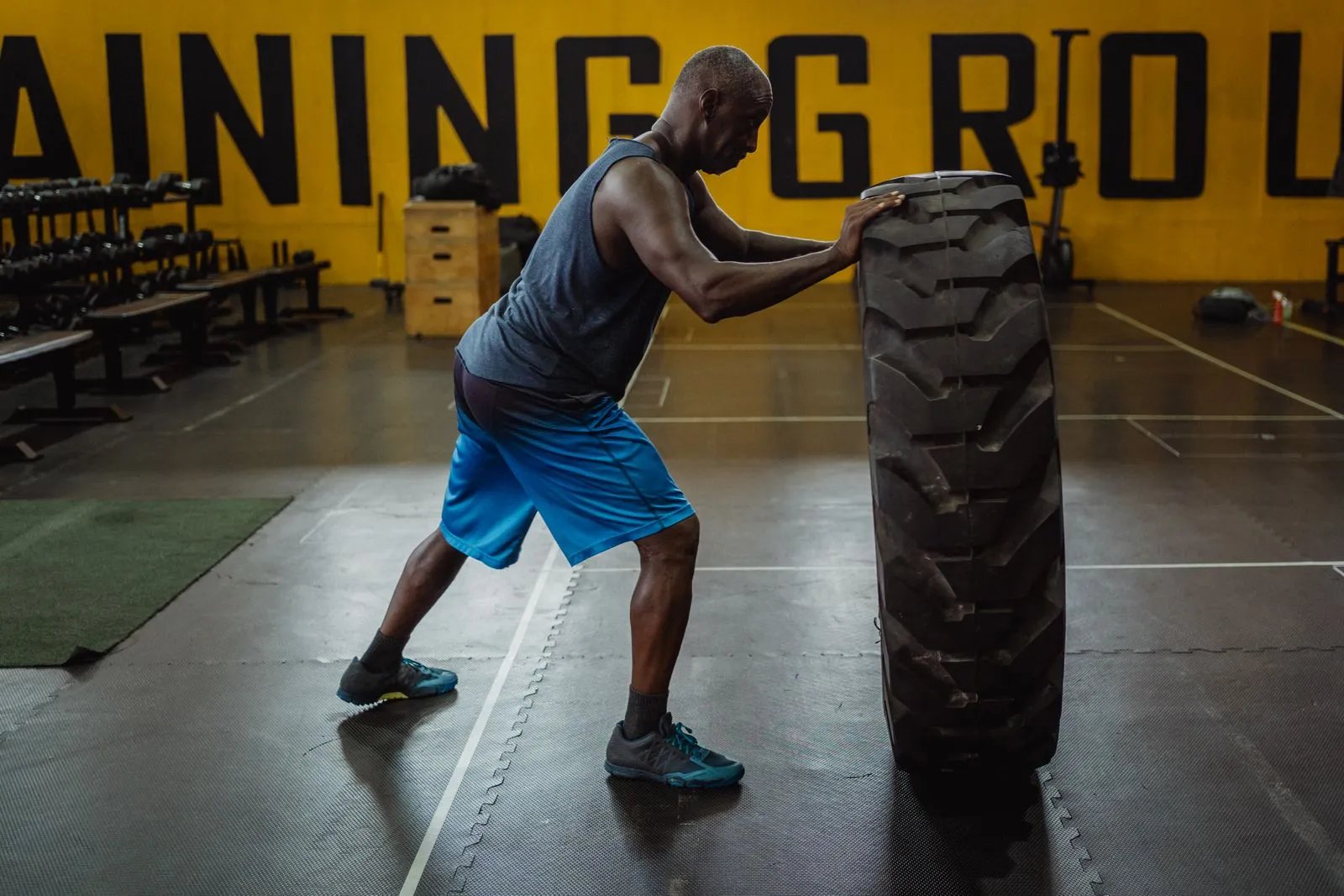
Everyday movement asks your body to do more than lift weights. You might carry groceries, climb stairs, pick up a child, or head out for a bike ride. Strength training can help you build the capacity for these activities when exercises are selected and scaled to your needs. Coaching adds guidance on technique, effort, and progression, so training can support the way you want to move outside the gym—not just the weight you can lift.
Train for Real-Life Tasks
Many daily activities combine basic movements: bending at the hips, squatting, pushing, pulling, carrying, and stepping. Strength exercises that practice these patterns can help you become more capable at the tasks themselves. For example, a coached squat may build familiarity with lowering and standing, while loaded carries let you practice keeping a steady posture as you move with weight.
Start with the activities that matter to you. If stairs feel demanding, discuss step-ups or other suitable leg exercises with a coach. If carrying bags is a challenge, ask about gradually building carry strength. The goal is not to copy every daily task exactly, but to strengthen relevant movement patterns at a manageable level.
Build Capacity Gradually
Strength improves through consistent practice and gradual increases in challenge. A coach can adjust an exercise by changing its range of motion, load, pace, or support. You might begin with a bodyweight movement, then add resistance when your technique and comfort support that next step. Smaller progressions help you work hard without treating every session as a test.
Pay attention to how you feel during and after training. Share discomfort, fatigue, previous injuries, and changes in your daily routine with your coach. These details can help shape exercise choices and recovery. If pain is new, severe, or persistent, seek guidance from a qualified health professional before pushing through it.
Coaching Makes Practice Useful
Good coaching gives you clear feedback on how to perform an exercise and options that fit your current ability. A coach can help you find a comfortable stance, control the movement, and choose a useful level of resistance. That support matters whether you are new to strength work or returning after time away.
At a mobility-focused CrossFit box such as Northstar Mobility in Toronto, you can explain what you want training to help you do. Bring a specific goal, such as carrying equipment for a hobby or feeling steadier when getting up from a low seat. Your coach can use that context to guide exercise selection and track progress in practical terms.
Carry Strength Into Recreation
Recreational activities often call for a mix of strength, balance, coordination, and stamina. Hiking may involve hills and uneven ground; gardening can mean repeated bending and carrying; recreational sports may involve quick changes of direction. Strength training can support these demands, but it works best alongside activity-specific practice and appropriate rest.
Make the connection by telling your coach what you enjoy and how often you do it. Training can be adjusted around an active week, with attention to effort and recovery. Notice useful changes such as handling a familiar task with better control or finishing an outing with more energy. These everyday signs can be more meaningful than a number on a barbell.
Strength training can help make daily tasks and recreational activities feel more manageable when it reflects your goals and progresses at a suitable pace. Share the movements you want to improve with a qualified coach, and ask how to begin with exercises that fit your current ability. A thoughtful first conversation can help you plan a practical next step.